EURO Tuners
Since the dawn of the auto industry, humans have been on a quest to make them faster, handle better and stop shorter. This ambition exploded after WWII when servicemen returned home with new found mechanical experience from working on military vehicles and the machinery of war. In the US this experience created hot rodding and drag racing. In Europe, with a long history of grand prix racing and hot rodding, “tuning” was about approximating the look and performance of road racers. Most early European tuners developed their craft building race cars.
Because of Europe’s challenging post war economy, most tuners had to do with what was available—common economy rides. In 1946 two early post-war shops were founded. Germany’s Oettinger focused on hot rodding VW Beatles and France’s Gordini made Renaults faster. They’re both still around today. And that’s good enough an excuse for EURO Auto Festival to celebrate the 70th anniversary of the oldest post war tuners as well as Europe’s unique path which led to the creation of tuning houses that transform every aspect of the car, inside and out.
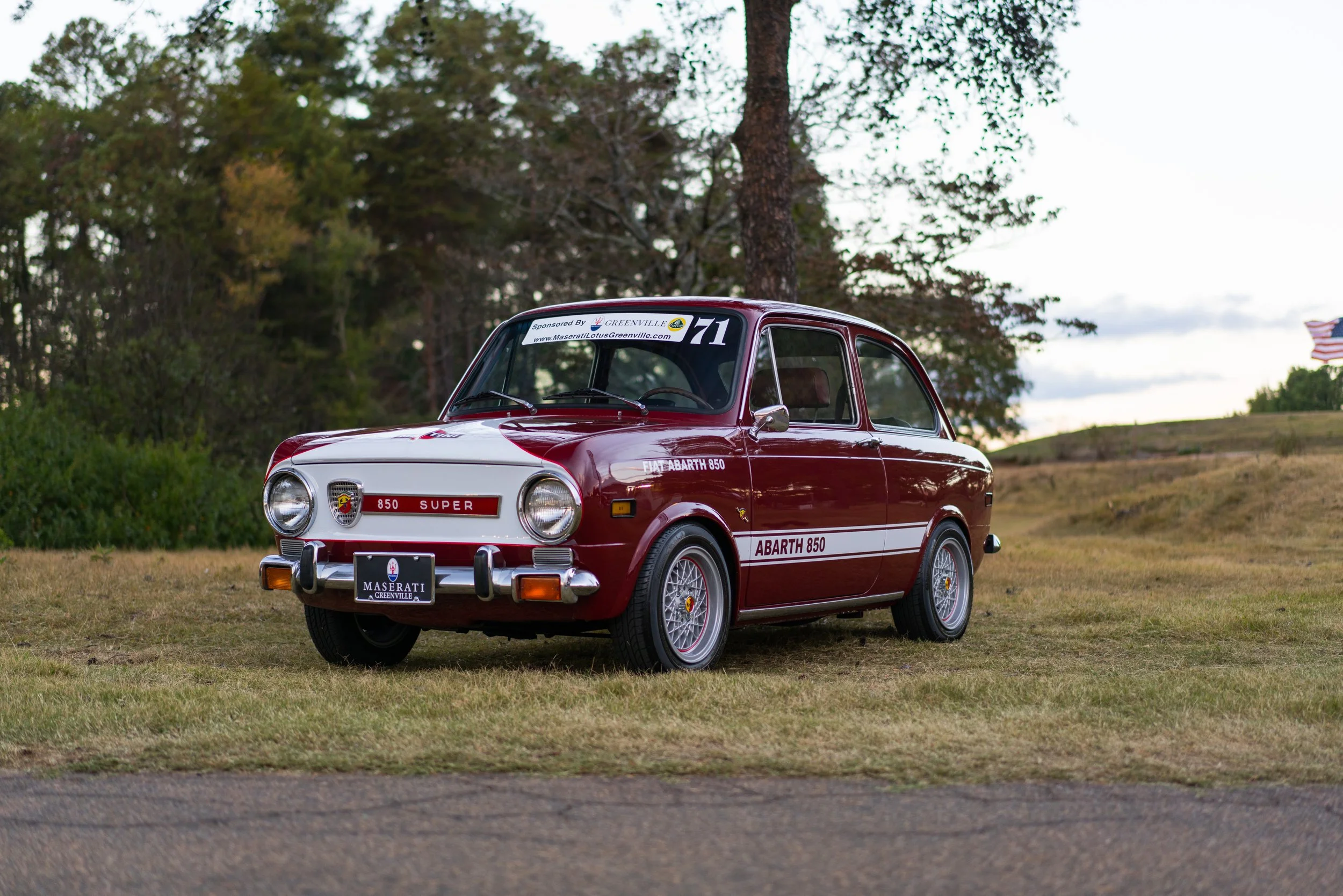
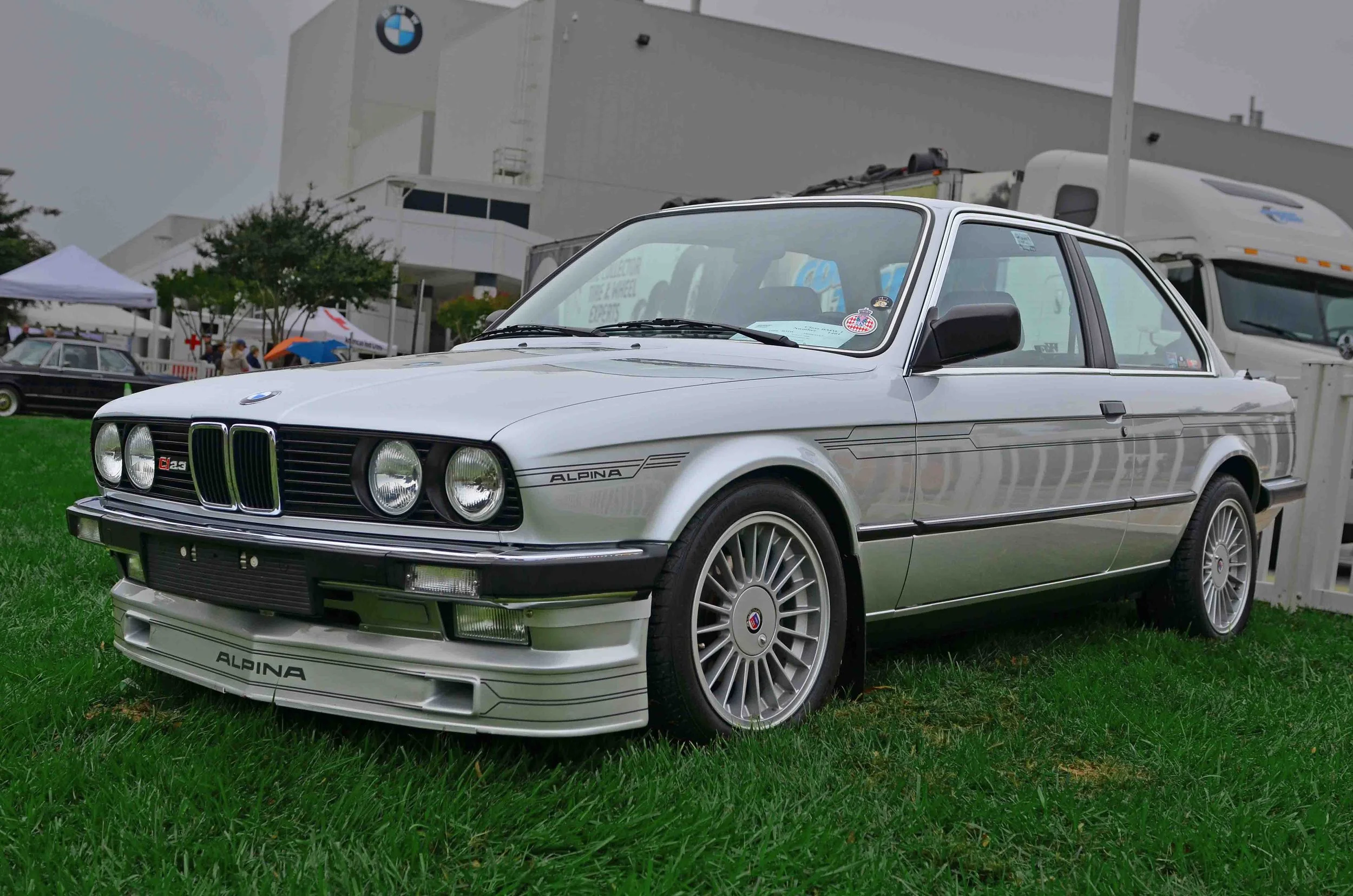
These tuners push the envelope of performance and aesthetics so hard and successfully that the marques of their focus frequently hire them, partner witih them, and even acquire them. A great example of the latter being Abarth which was founded in 1949 to make Fiats faster and later became part of Fiat Group. AMG, founded in 1967, followed the same path with Mercedes-Benz, while Alpina, founded in 1965, remains an independent manufacturer that has a very close partnership with BMW.
European tuners humble beginnings with Minis, Fiat 500s, Beetles and 2002s, evolved to creating record setting supercars. One of the wildest being the German tuner, Goening and their twin-turbo Ferrari. The Koening Competition Evolution with a claimed 1,000 PS Din. Today, every European marque has at least one dedicated aftermarket tuner and most have their own in-house team.
Across the Channel John Cooper is the most famous of the original Mini tuners, and decades later they partnered with BMW to create John Cooper Works Mini. If you consider coach builders to be tuners, then you could back to before “The War” and Mulliner’s work on 1920s Bentleys. And we can’t forget, at the same time, Morris Garages (run by Cecil Kimber as a “tuner”), ultimately gave us the gift of MG.
Europe’s tuning history is a fascinating tapestry of inter-marque relationships, and epically passionate characters that defined the bleeding edge of automotive performance, in cabin technology, and avantgarde aesthetic. We’re celebrating these amazing stories with an ambition of bringing together the broadest collection of EURO Tuning across markets and decades. We want to see everything from period correct plus-sized wheels to complete supercar builds. We will also celebrate American companies dedicated to European marques: companies like Dinan founded by an American engineer, and RENNTech, founded by the former technical director at AMG.
Do you have a European car that’s been tuned, modified or upgraded; either by the factory or an outside shop? We would absolutely love to see it (and you) at EURO 2026.